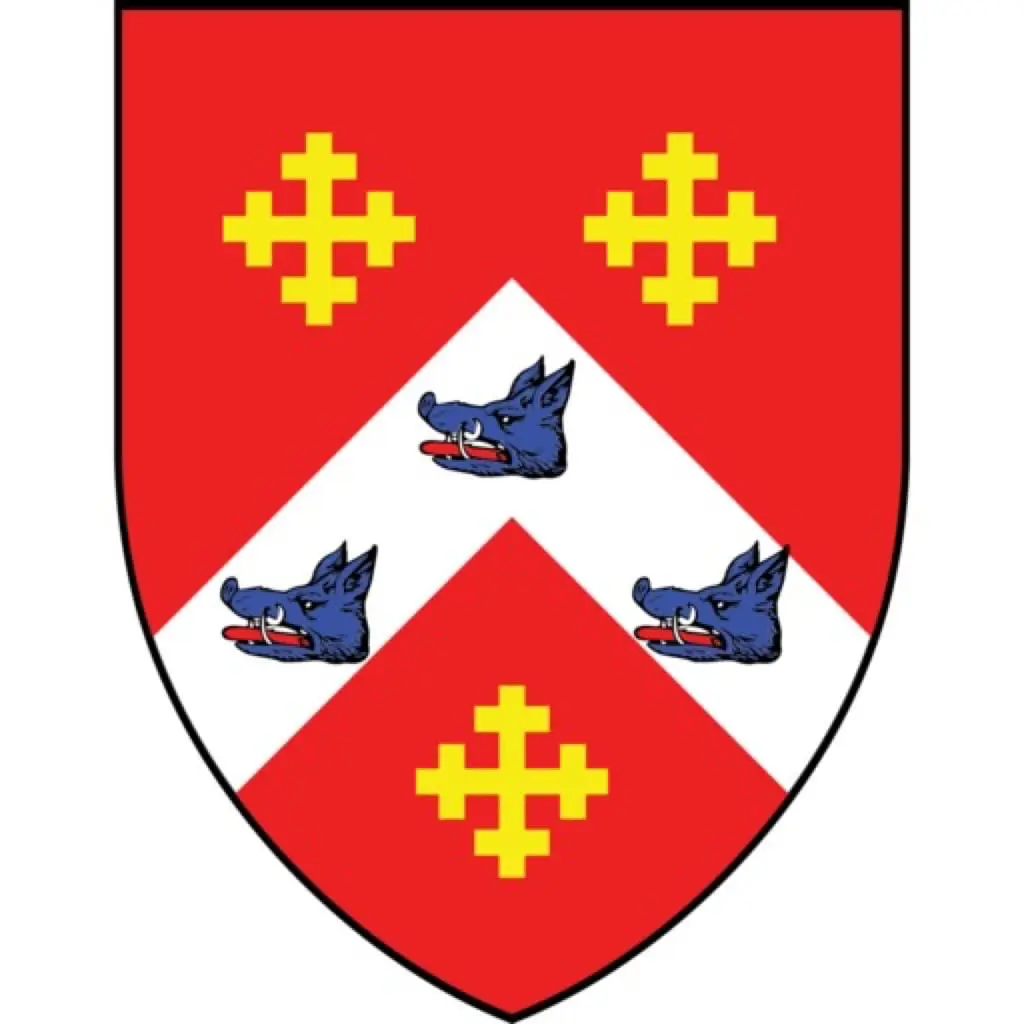
Historical period
Before 1700: Origins, Septs & Early Records
The early history of the McManus name reaches into Gaelic Ireland, where separate McManus families emerged in Roscommon and Fermanagh.
All timeline periods →The earliest history of the McManus name belongs to the world of Gaelic Ireland.
Before 1700
For this period, family history must be approached differently from modern genealogy. Surviving records rarely allow an unbroken documentary line from a living family back into the Middle Ages. Instead, the evidence comes from annals, Gaelic genealogies, place-names, later pedigrees, land records, and the history of the territories in which the name developed.
Two principal McManus traditions
Two long-established traditions are associated with the McManus surname in Ireland.
Roscommon
One lineage is associated with Maghnus, who died in 1181 and was a son of Turlough Mór O’Conor, High King of Ireland. This family was associated with Tír Tuathail, in the northeastern part of the Barony of Boyle, corresponding broadly with the area of Kilronan in County Roscommon.
The wider political landscape included the O’Conors, MacDermotts of Moylurg, O’Rourkes of Breifne, and other Gaelic families whose alliances and rivalries shaped north Connacht and the neighboring midlands.
Fermanagh
A second McManus tradition developed within the Maguire dynasty of Fermanagh. It is associated with Maghnus Mag Uidhir, from the ruling family of the kingdom centered on Lough Erne.
The Fermanagh McManus family is associated in tradition and later records with places including Seanadh Mhic Mhaghnusa and Ballymacmanus.
A surname is not proof of one medieval ancestor
The existence of these traditions is historically important, but a shared surname does not by itself prove that every later McManus family descends from one of these medieval lines.
For this project, medieval pedigrees and surname traditions are treated as historical context unless a documented chain of evidence connects them to later generations.
Explore this era
Read Two McManus Septs for a comparison of the Roscommon and Fermanagh traditions and their source references.